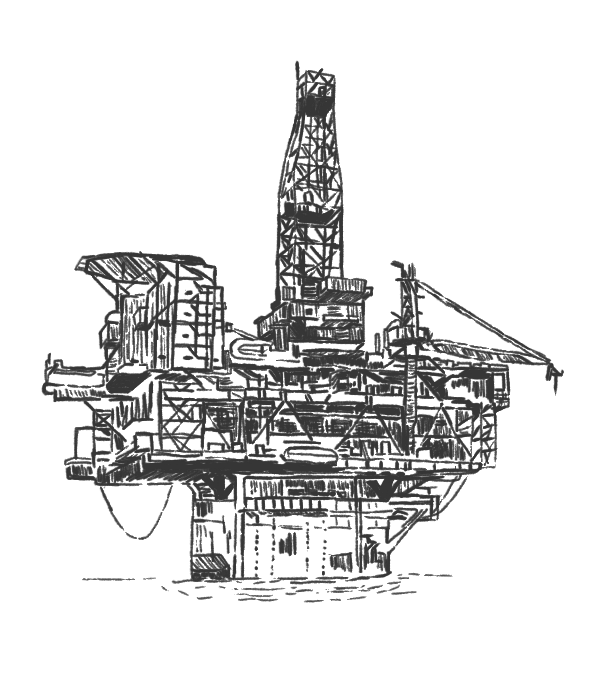
Cuero Oilfield Accident Lawyer
Cuero and DeWitt County are located just inside the Eagle Ford Shale’s producing area. The regional economy is driven by hydraulic fracturing, pressure pumping, oil and gas extraction, well maintenance, and hydrocarbon transportation. But the oilfield is also one of the riskiest places to work in Texas. Every day, workers must deal with explosive gases, heavy rotating machinery, high-pressure lines, volatile chemicals, and rigorous 12- to 14-hour days.
Catastrophic disasters occur when oilfield operators, wellsite leaseholders, general contractors, or equipment manufacturers rush operations, disregard OSHA regulations, or circumvent standard safety procedures. Oilfield workers may sustain serious burns, crushing injuries, trauma that changes their lives, or permanent handicap.
At A2X Law, we provide disciplined, trial-ready legal representation for oilfield workers and their families injured across Cuero, DeWitt County, and the Eagle Ford Shale. We understand the complex multi-employer structure of energy job sites and know how to investigate wellsite negligence to hold responsible corporate entities accountable.
To review the specific facts of your wellsite injury and evaluate your legal options, contact A2X Law today to schedule a paid consultation with our legal team.
Navigating Complex Liability in Oilfield Accident Claims
Determining legal liability after an oilfield accident requires an understanding of energy sector operations. An active drilling, completion, or production site in DeWitt County typically involves dozens of separate corporate entities working together, including oil operators, drilling contractors, mud logging vendors, wireline operators, pipe haulers, and equipment rental providers.
Third-Party Personal Injury Claims vs. Workers’ Compensation
According to Texas law, you are typically prohibited from suing your direct employer for basic negligence if they have state-administered workers’ compensation insurance. However, workers’ compensation benefits only pay for a percentage of your lost income and offer no reimbursement for emotional suffering, physical pain, or a decline in your quality of life.
Importantly, you can file a third-party personal injury claim against other careless businesses that operate on the same leasing site despite workers’ compensation regulations. You may bring a civil lawsuit to obtain full compensation if someone other than your direct employer caused your injuries.
Examples of potential third-party defendants in oilfield injury claims include:
- Site Operators and Leaseholders: For failing to maintain a safe worksite, issuing unsafe operational directives, or neglecting known wellhead hazards.
- Drilling Contractors and General Subcontractors: For reckless machinery operation, failing to coordinate safe inter-trade operations, or bypassing blow-out prevention protocols.
- Equipment Manufacturers and Rental Vendors: For mechanical defects, metal fatigue failures, or missing safety guards on pumps, iron roughnecks, drawworks, or pressure lines.
- Third-Party Hauling and Transport Companies: For reckless operation of water tankers, sand haulers, or vacuum trucks on lease roads and public highways.
Common Causes of Oilfield Accidents in DeWitt County
Oilfield work involves constant exposure to thermal, mechanical, chemical, and pressure hazards. When companies prioritize production speeds over worker safety, catastrophic incidents occur.
Our legal team represents workers injured in a broad range of energy sector accidents, including:
- Well Blowouts, Fires, and Explosions: Uncontrolled releases of volatile natural gas or pressurized oil that ignite on the rig floor can cause explosion injuries and catastrophic flash fires.
- High-Pressure Line and Hose Ruptures: When iron pipe, manifold lines, or hydraulic hoses fail catastrophically under high pressure, it can crush adjacent personnel.
- Equipment and Heavy Machinery Entrapments: Workers caught in rotating catheads, drawworks, top drives, pipe spinners, or unguarded belt drives.
- Struck-By Dropped Objects: Falling derrick equipment, traveling blocks, heavy tongs, or drill pipe striking workers on the rig floor.
- Toxic Chemical Exposure and Poisoning: Exposure to toxic hydrogen sulfide ($H_2S$) gas, frack fluids, or caustic drilling muds resulting in severe respiratory damage or chemical burns.
- Oilfield Traffic and Transport Collisions: Crashes involving heavy oilfield transport trucks, sand haulers, and crew transport vans traveling on rural routes like Highway 87 and Highway 183.
- Falls from Elevated Work Platforms: Falls from derrick monkey boards, rig ladders, or elevated servicing tanks lacking proper fall protection systems.
Severe Injuries Sustained in Energy Sector Disasters
The physical forces involved in oilfield accidents mean that injuries are rarely minor. Victims often require emergency airlift transport to regional trauma centers and burn units.
A2X Law handles complex injury claims involving:
- Severe Thermal and Chemical Burns: Third- and fourth-degree burns resulting from gas explosions, flash fires, or acid exposure, requiring specialized burn ICU care and multiple skin graft surgeries.
- Traumatic Brain Injuries (TBIs): Head trauma from dropped objects, blast pressure waves, or machinery impacts causing permanent cognitive deficits.
- Spinal Cord Trauma and Paralysis: Severe spinal fractures resulting in chronic pain, nerve destruction, paraplegia, or quadriplegia.
- Traumatic Amputations: Loss of limbs, hands, or fingers crushed in rotating rig machinery or heavy pipe handling operations.
- Complex Orthopedic Fractures: Shattered bones requiring emergency surgeries, internal metal hardware, and extended physical rehabilitation.
- Toxic Inhalation and Respiratory Damage: Permanent lung injury resulting from Hydrogen sulfide gas inhalation or chemical fumes.
- Wrongful Death: Fatal wellsite incidents that leave surviving families facing sudden loss, emotional trauma, and long-term financial strain.
Compensation Available Under Texas Civil Law
If your injury in the oilfield is due to a careless third party or a non-subscribing employer, Texas law allows you to access civil compensation above and beyond the ceiling limits of workers’ compensation.
Economic Damages
All measurable out-of-pocket financial losses are covered by economic damages. This includes emergency plane travel, trauma hospital care, burn treatments, specialized surgeries, ongoing physical therapy, lost wages, diminished future earning capacity, and lifetime medical support.
Non-Economic Damages
Non-Economic damages compensate for the personal human impact of the trauma. This includes compensation for physical pain and suffering, mental anguish, loss of life enjoyment, physical impairment, and permanent physical disfigurement or scarring.
Texas Modified Comparative Fault, Standard
Under Chapter 33 of the Texas Civil Practice and Remedies Code, Texas uses a modified comparative fault rule (proportionate liability). You are entitled to monetary compensation if you are only 50% at fault for the incident. However, if a jury or court determines that you are at least 51% at fault, you are not allowed to get damages under the law. Oilfield owners often attempt to blame injured workers for adopting unsafe methods or violating safety standards. We gather objective physical data, well records, and expert witness evaluations to combat unfair responsibility.
Essential Steps to Take Following an Oilfield Accident
Taking immediate action after a wellsite incident helps safeguard your health and preserves key evidence:
- Report the Incident Immediately: Ensure an official written incident report is filed, and notify your rig manager, toolpusher, or business representative as soon as possible.
- Seek Prompt Emergency Medical Attention: Get evaluated immediately by trauma specialists. Explicitly inform medical providers that your injuries occurred on an oilfield job site.
- Document Wellsite Conditions: If physically able, take photos and videos of the damaged machinery, ruptured line, missing safety guard, or blowout scene before equipment is moved or repaired.
- Identify Witnesses: Ask coworkers, outside contractors, and passersby who saw the incident for their names, phone numbers, and employer information.
- Decline Statements to Company Risk Adjusters: Without legal counsel, do not sign document releases or provide recorded audio statements to corporate insurance adjusters or business safety officials.
- Schedule a Paid Legal Consultation: Contact A2X Law to schedule a formal consultation to evaluate lease site liability, secure well logs, and preserve critical evidence.
Schedule a Legal Consultation with A2X Law
If you or a loved one suffered a serious oilfield injury in Cuero, Yoakum, Yorktown, or anywhere across DeWitt County, secure disciplined trial counsel with deep roots in South Texas. Attorney Stephen Bechtol and the team at A2X Law combine local familiarity with aggressive courtroom preparation to advocate for injured energy sector workers.
Contact A2X Law today or reach out online to schedule your initial consultation with our legal team.