

Borger Oilfield Accident Lawyer
The energy sector drives the economy of Borger and the surrounding Hutchinson County landscape. From heavy-duty drilling rigs across the Anadarko Basin to major processing infrastructures like the Phillips 66 Borger Complex and local carbon black facilities, regional industrial laborers face some of the most hazardous working conditions in the United States.
When corporate safety protocols break down, the results are catastrophic. High-pressure blowouts, heavy machinery malfunctions, and volatile chemical processing fires can alter a worker’s life in a fraction of a second. If you or a loved one has suffered a severe injury on a job site, A2X provides aggressive legal representation to hold negligent operators, third-party contractors, and equipment manufacturers accountable.
The Compounding Dangers of Borger Energy and Refining Sites
In Texas's industrial landscape, Borger holds a special place. Borger personnel labor at the hazardous nexus of chemical processing, high-pressure pipeline transit, and crude extraction, in contrast to typical oilfield settings that solely include upstream drilling operations. Workers are exposed to specific, serious operational dangers as a result of this focused industrial activity:
- Refinery Fires and Process Unit Explosions: Precise handling is required when working with combustible carbon compounds, pressurized gases, and volatile hydrocarbons such as propane. A large industrial fire can be started by a single pressure-relief valve failure, neglected maintenance on a fractionating device, or inadequate lockout/tagout compliance.
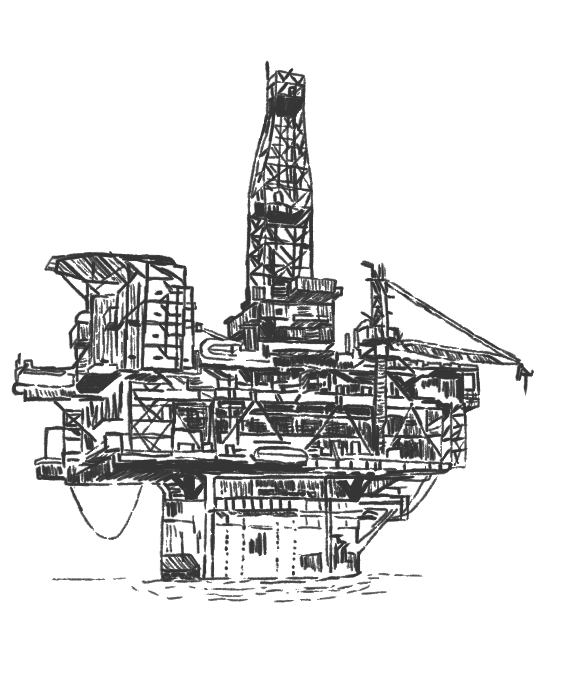
- Well Blowouts and Drilling Rig Failures: Subterranean pressures are unstable during upstream extraction. Severe, catastrophic injuries on the rig floor are sometimes caused by structural collapses on drilling platforms, faulty blowout preventers, and incorrect mud weight calculations.
- High-Risk Cargo Unloading Accidents: There are particular risks associated with the transmission of volatile industrial dust, raw oil, and toxic chemicals. During cargo loading procedures, inadequate grounding, static electricity buildup, or broken transfer hoses can cause localized explosions that endanger both plant workers and contractors.
- Toxic Vapor and Chemical Exposure: Processing facilities and pipelines deal with extremely hazardous and caustic substances. Severe chemical burns or lifetime respiratory damage might result from failed seals, ruptured lines, or inadequate respiratory protection.
Overcoming the Contractor Loophole in Texas Work Injury Claims
A significant portion of the workforce operating in Borger’s plants and oilfields consists of third-party contractors and specialized subcontractors. Following a severe blast or machinery accident, corporate employers frequently attempt to limit an injured worker's recovery to basic workers' compensation benefits.
Even so, third-party liability claims under Texas law offer excellent compensation options beyond either unemployment or workers' compensation insurance. A2X conducts a detailed investigation into the job site's operational layout to identify which third-party organizations contributed to the event through negligence.
For example, site owners and plant operators may be held liable if they fail to maintain a safe work environment, ignore known infrastructure issues, or prioritize production over worker safety. Third-party maintenance companies may also be responsible if they use defective replacement parts, perform inadequate inspections, or fail to properly maintain critical valves, pipelines, or pressurized equipment. Equipment manufacturers can face product liability claims when accidents result from defective drilling components, malfunctioning safety devices, or flawed equipment designs. In addition, independent transportation contractors may be held accountable for safety violations that occur during the loading, transportation, or unloading of hazardous materials.
Why Immediate Evidence Preservation Matters
After an oilfield disaster or refining fire, the next few hours and days are crucial. Corporate risk management teams and insurance adjusters are already on the site, photographing the event to create an early defensive narrative as injured workers are being transferred to regional trauma facilities in Lubbock or Amarillo.
As cleanup operations begin and facilities push to get processing units back online, essential physical proof can quickly disappear. A2X takes immediate action to halt the destruction of evidence by issuing comprehensive preservation mandates to all involved corporations.
Our investigative team works aggressively to secure the vital data needed to construct an unassailable fault argument:
- Internal SCADA and Black Box Data: Electronic logs describing temperature spikes, pressure decreases, and automated system alerts prior to the failure.
- Maintenance, Inspection, and Repair Logs: Previous information that shows whether the operating corporation neglected worn parts or put off required safety overhauls.
- OSHA Citation Histories: Documentation of past safety infractions, demonstrating a recurring corporate pattern of ignoring federal workforce safety regulations.
- Independent Metallurgical and Chemical Analysis: Utilizing specialized engineers to determine exactly why a pipe fractured, a valve failed, or a chemical mixture ignited.
Navigating the Texas Modified Comparative Fault Standard in Oilfield Claims
In industrial accidents involving multiple moving parts, corporate insurance companies frequently try to shift responsibility onto the injured worker to avoid paying full compensation. Texas civil law claims are governed by the 51 percent bar rule, a modified comparative negligence standard. This statute allows an injured worker to sue a negligent operator or a third-party contractor for damages, provided the worker's personal fault in the incident does not exceed 50%.
However, if a jury determines that you were partially at fault for the accident, your compensation will be reduced by your percentage of responsibility. For example, if a drilling platform incident results in $1,000,000 in damages, including medical expenses, lost wages, and pain and suffering, and you are found to be 10% at fault, your recovery would be reduced to $900,000.
Under Texas's modified comparative fault rule, you cannot recover compensation if you are found to be more than 50% responsible for the accident. Because insurance companies and corporate defendants often attempt to shift blame onto injured workers, building a strong case is critical. A2X works with forensic engineers, industry experts, and accident reconstruction specialists to develop a detailed, evidence-based account of what happened, helping protect your rights and hold negligent parties fully accountable.
The Threat of Toxic Gas and Hydrogen Sulfide Excursions
In addition to mechanical and thermal hazards, workers in the Borger area face the silent threat of toxic chemical exposure. Many regional extraction and midstream sites deal directly with sour gas, which contains high concentrations of Hydrogen Sulfide. This gas is extremely lethal; it is highly flammable, colorless, and can completely paralyze a worker's respiratory system in a matter of seconds at high concentrations.
Corporate operators are required by federal law to provide functioning, calibrated personal gas monitors, maintain reliable automated detection systems, and establish unobstructed rig-floor evacuation routes. If a company doesn't maintain these safety systems or provide contract workers with sufficient training in emergency air-pack deployment, a minor pipeline leak could become a fatal multi-worker disaster. A2X carefully reviews safety logbooks, sensor calibrations, and business training records to show whether a toxic exposure injury was directly caused by systematic safety flaws.
Calculating the True Lifetime Impact of Industrial Trauma
A severe oilfield or refinery injury impacts far more than your immediate ability to return to work next week. True accountability means accounting for the entire trajectory of your physical and financial future. A2X collaborates directly with specialized medical professionals, life-care planners, and forensic economists to build an airtight assessment of your true long-term needs.
We look beyond your current hospital bills to calculate the costs of future corrective surgeries, lifelong physical therapy, customized home or vehicle modifications, and the profound psychological impact of surviving a catastrophic workplace blast. If your injuries permanently prevent you from returning to high-paying, physically demanding industrial labor in the Texas Panhandle, we aggressively pursue full compensation for your diminished earning capacity over the remainder of your working years.
Request a Consultation
Other Practice Areas