
Cuero Workplace Injury Lawyer
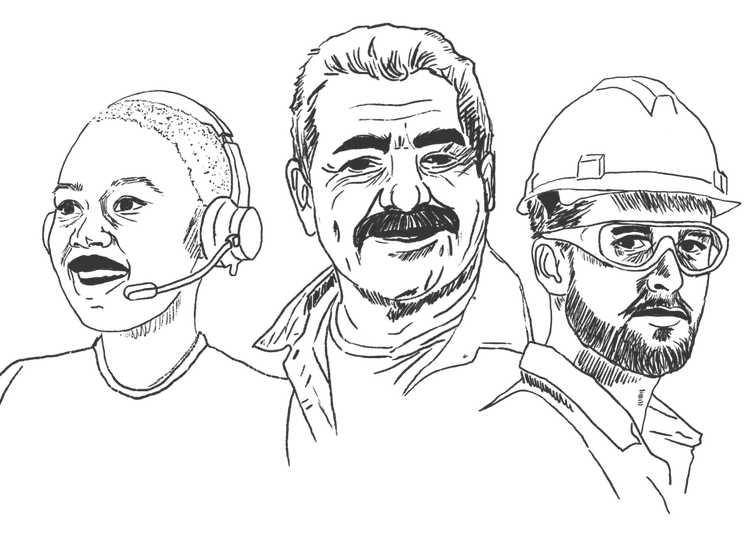
Eagle Ford Shale natural resources extraction, agriculture, heavy construction, manufacturing, and transportation system infrastructure keep the economy of Cuero and DeWitt County flourishing. These industries give South Texas residents the opportunity to earn a living; however, they also create poor working conditions. Workers must operate heavy machinery, high-voltage installations, chemicals, hydraulics, and work at high elevations.
Even if employers, general contractors, and equipment manufacturers care more about profit than following required safety rules, it can lead to serious workplace accidents. Injured workers have to struggle with the injuries, medical bills, lost wages, and doubt if they will ever be able to work again.
A2X Law is a law firm serving clients with professional legal services regarding workplace incidents in DeWitt County and neighboring areas. With deep knowledge of Texas employee legislation, corporate accountability, and third-party personal injury suits, we can take action against those responsible for the employer’s negligence. To review the specific facts of your job site injury and evaluate your legal options, contact A2X Law today to schedule a paid consultation with our legal team.
Navigating Texas Workers’ Compensation: Subscriber vs. Non-Subscriber Employers
Understanding your legal rights after a workplace injury in Texas depends heavily on whether your employer participates in the state-administered workers’ compensation system. Unlike almost every other state, Texas does not require private employers to carry state workers’ compensation insurance.
1. Workers’ Compensation Subscribers
Usually, the statutory “exclusive remedy” rule prohibits litigation against one’s direct employer based on ordinary negligence if the company carries state-regulated workers’ compensation insurance. Although you often don’t need to prove fault, workers’ compensation allows you to recover funds for medical expenses and a portion of lost earnings due to work injuries. Nevertheless, these benefits do not take into account lost earning capacity, mental anguish, or physical pain.
2. Non-Subscriber Employers
If your employer opts out of the Texas workers’ compensation system, they are classified as a non-subscriber. If you are injured while working for a non-subscriber company, you have the legal right to file a personal injury lawsuit directly against your employer for negligence.
Under Texas Labor Code Section 406.033, non-subscriber employers lose critical common-law defenses in court. A non-subscriber employer cannot claim that:
- The injured worker was negligent or partially at fault.
- Fellow employees caused or contributed to the injury (fellow-servant rule).
- The worker assumed the known risks of the job (assumption of risk).
If an employer’s negligence contributed even slightly to the accident, the non-subscriber can be held fully liable for all economic and non-economic damages.
Third-Party Personal Injury Lawsuits for Workplace Injuries
Even if your employer carries state workers’ compensation, those rules only restrict lawsuits against your direct employer. Active job sites in Cuero, particularly construction sites, oilfield operations, and industrial plants, involve multiple independent corporate entities working on the same property.
You can file a third-party personal injury case to obtain full civil compensation beyond the basic workers’ compensation caps if a business other than your direct employer caused your accident.
Examples of potential third-party claims include:
- General Contractors and Site Operators: For failing to enforce site-wide safety standards, neglecting hazard inspections, or failing to coordinate safe operations between different trade crews.
- Subcontractors: For reckless operation of heavy machinery, dropping tools or materials from heights, or creating hazards that injure workers from other companies.
- Equipment Manufacturers and Rental Vendors: For mechanical defects, missing safety guards, or structural failures in power tools, scaffolding, ladders, or heavy machinery.
- Property and Lease Owners: For failing to repair dangerous premises hazards or failing to warn workers of hidden risks on the property.
- Third-Party Drivers and Delivery Vendors: For collisions caused by commercial drivers operating on public roads, lease access routes, or job sites.
Common Causes of Workplace Accidents in DeWitt County
Workplace accidents happen in many South Texas workplaces. Our legal team defends employees hurt in a wide range of workplace mishaps, such as:
- Oilfield and Drilling Rig Disasters: Well blowouts, high-pressure line ruptures, fires, explosions, and heavy machinery entrapments on Eagle Ford Shale job sites.
- Falls from Heights: Incidents involving falls from roof buildings, oil rig derrick boards, ladders, high scaffolds, and unsecured construction platforms.
- Struck-By and Crushing Accidents: Workers being hit by a falling object, unstable equipment, moving trucks, or crushed by heavy machinery.
- Heavy Equipment Collisions: Accidents involving forklifts, excavators, bulldozers, backhoes, and cranes colliding with ground workers or overturning.
- Trench and Excavation Collapses: Collapses of trenches that were not properly supported or with a significant incline.
- Electrocutions and Industrial Arc Flashes: These risks involve coming into contact with aerial electrical wiring, short-circuited wiring, open electrical panels, or current-carrying engines.
- Chemical and Toxic Exposure: Severe chemical burns, toxic gas inhalation ($H_2S$), or long-term respiratory damage from hazardous industrial substances.
Severe Injuries Sustained in Workplace Incidents
Powerful machinery, heavy loads, and elevated work areas are common on industrial and commercial job sites. These settings can cause irreversible injuries that alter people’s lives permanently.
A2X Law manages claims involving severe injuries, including:
- Traumatic Brain Injuries (TBIs): Concussions, skull fractures, and serious brain damage brought on by falls, falling objects, or collapsed structures.
- Spinal Cord Injuries and Paralysis: Cervical or lumbar spine trauma resulting in herniated discs, nerve destruction, paraplegia, or quadriplegia.
- Traumatic Amputations: The loss of hands, feet, digits, or limbs crushed by unshielded drives or whirling industrial machines.
- Severe Thermal and Chemical Burns: Full-thickness burns necessitating major skin transplant procedures, surgical debridement, and specialist burn ICU care.
- Complex Orthopedic Fractures: Broken or crushed bones that need screws, metal plates, open reduction surgery, and ongoing physical therapy.
- Wrongful Death: Fatal job site accidents that leave surviving families facing sudden emotional loss and long-term financial devastation.
Compensation Available Under Texas Personal Injury Law
According to Texas law, if there is a negligent third party or a non-subscribing employer involved in your workplace injury case, you can pursue total monetary compensation.
Economic Damages
Economic damages compensate you for specific economic losses like emergency medical transportation, hospital stay expenses, surgery expenses, burn treatment expenses, rehabilitative care costs, loss of wages, loss of capacity to earn money in the future, and long-term medical expenses.
Non-Economic Damages
The personal effects of your injury are covered by non-economic damages. This covers monetary compensation for physical limitations, mental anguish, loss of enjoyment of life, pain and suffering, and permanent scarring or disfigurement.
Texas Modified Comparative Fault Standard
In Texas, modified comparative negligence applies in third-party lawsuits. If you are less than 50 percent responsible for the incident, you can receive damages. Anyone found more than 50 percent responsible cannot recover any money. Opposing counsel may try to blame their clients’ employees for not following safety procedures. Our approach to countering these strategies is to gather evidence and expert opinions.
Essential Steps to Take Following a Workplace Injury
Acting quickly after a job site accident protects your health and helps keep important evidence safe:
- Report the Injury Immediately: Notify your manager, supervisor, or safety officer right away. Ensure an official written incident report is generated and request a copy.
- Seek Emergency Medical Attention: Have medical personnel evaluate you immediately. Explicitly state to healthcare providers that your injury occurred while working on the job site.
- Document the Incident Scene: If you are physically able, take photos and videos of the damaged machinery, unsafe condition, missing safety guard, or accident location before conditions change.
- Identify Eyewitnesses: Ask coworkers, subcontractors, and passersby who saw the incident for their names, phone numbers, and employer information.
- Decline Recorded Insurance Statements: Do not provide recorded audio statements or sign document releases for corporate risk managers or insurance adjusters without legal representation.
- Schedule a Paid Legal Consultation: Contact A2X Law to schedule a formal consultation to evaluate employer subscriber status, identify potential third-party claims, and preserve critical evidence.
Schedule a Legal Consultation with A2X Law
If you or a loved one suffered a serious workplace injury in Cuero, Yoakum, Yorktown, or anywhere across DeWitt County, secure disciplined trial counsel with deep roots in South Texas. The legal team at A2X Law combines local familiarity with aggressive courtroom preparation to advocate for injured workers.
Contact A2X Law today or reach out online to schedule your initial consultation with our legal team.