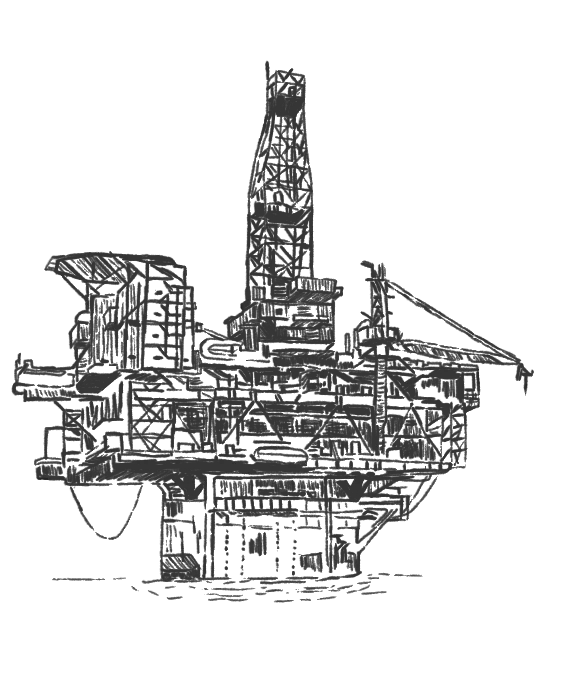
Oilfield Accident Lawyer in Sullivan City
Experienced Legal Representation for Injured Oilfield Workers and Their Families
Oilfield work remains one of the most physically demanding and high-stakes professions in the country. From the intensity of drilling operations and well servicing to the complexities of pipeline construction and routine equipment maintenance, workers face significant hazards every day. Combine heavy machinery, high-pressure systems, volatile chemicals, and rigorous schedules, and even the most routine shift can spiral into a life-altering emergency in an instant.
The aftermath of an oilfield accident is often devastating. Workers may face catastrophic injuries, such as severe burns, traumatic brain injuries, spinal cord damage, or limb loss, that demand long-term medical intervention and make a return to work impossible. For families, this sudden transition brings lost income, overwhelming medical debt, and deep uncertainty about what tomorrow holds.
At Anderson Alexander (A2X), we provide dedicated legal representation for families navigating these complex, life-changing disputes. We recognize that oilfield accidents are rarely simple. Because multiple contractors, equipment manufacturers, and service companies often operate on the same site, responsibility for a preventable accident is frequently shared among several parties. Our firm takes a rigorous, trial-focused approach to investigating these incidents, ensuring we identify every liable party and fight for the full compensation our clients deserve. If you or someone you love has been injured in an oilfield accident in or around Sullivan City, our team is ready to help you evaluate your legal options and hold those responsible accountable.
Understanding Oilfield Accidents in Sullivan City
Oil and gas operations rely on a delicate balance of heavy equipment, specialized machinery, and volatile substances kept under intense pressure. While safety protocols are intended to protect workers, accidents remain a persistent reality when companies cut corners on maintenance, skimp on training, or ignore known site hazards.
Oilfield accidents can occur during a variety of critical operations, including:
- Drilling and well completion projects
- Hydraulic fracturing and well stimulation
- Oil and gas extraction and production
- Pipeline installation and ongoing maintenance
- Well servicing and workover operations
- Equipment transport and rigging
- Tank cleaning and chemical handling
- Industrial equipment repair and inspections
A single accident can affect one worker or trigger a chain reaction that impacts entire crews. When a fire, explosion, or equipment failure occurs, our team digs deep. We look beyond the surface to uncover the root cause, investigate the companies involved, and determine whether management decisions or safety failures led to the tragedy.
Common Types of Oilfield Accidents
At A2X, we have extensive experience dissecting the complexities of industrial injuries. An accident’s severity often hinges on the equipment involved and the company’s commitment to safety. Below are some of the most common types of oilfield accidents our team handles.
Oilfield Explosions and Fires
Flammable gases and high-pressure systems make fire and explosion risks a constant concern. Whether caused by gas leaks, poor ventilation, or faulty pressure-control systems, these incidents often result in life-altering burns and respiratory injuries. We investigate whether negligent maintenance or defective safety hardware turned a preventable risk into an explosion.
Drilling Rig Accidents
Rigs are complex environments filled with moving parts and suspended loads. From workers being struck by equipment to getting caught in machinery, the risks are immense. We help clients who have suffered crush injuries, fractures, and amputations due to failures on the rig floor.
Hydraulic Fracturing Accidents
Fracking involves immense pressure and specialized chemical additives. When hoses fail, connections burst, or fluid containment systems malfunction, the resulting injuries can be catastrophic. We assess whether equipment defects or procedural errors caused the exposure or the high-pressure release.
Oilfield Equipment Failures
Workers rely on heavy machinery, from pumps and compressors to cranes and winches, to be in peak condition. When equipment is defectively designed or poorly maintained, the consequences are often severe. We identify whether the manufacturer, the site operator, or the maintenance contractor is to blame for the equipment failure.
Falls From Heights
Operating on elevated platforms or scaffolding without proper fall protection is a recipe for disaster. We represent workers who have suffered life-changing injuries, such as brain trauma or spinal damage, after falling due to inadequate safety precautions.
Transportation and Vehicle Accidents
Transporting equipment and personnel between remote sites is a major hazard. Fatigue, improperly secured loads, and poor vehicle maintenance frequently lead to collisions. We hold those responsible for the fleet’s safety accountable for the resulting damages.
Toxic Chemical Exposure
Exposure to hydrogen sulfide, drilling fluids, or industrial additives can cause immediate and long-term health crises. Companies must provide the proper training and protective gear; when they fail to do so, we ensure they answer for the harm caused.
Caught-In or Caught-Between Accidents
Being trapped between heavy equipment or structural components is a leading cause of severe injury in the oilfield. These incidents often stem from poor communication or missing lockout/tagout procedures during maintenance.
Common Causes of Oilfield Accidents
While oilfield work is inherently risky, most major accidents are not “accidents”; they result from negligence.
Common contributing factors include:
- Inadequate Safety Training: Failing to prepare workers for known site hazards.
- Poor Equipment Maintenance: Ignoring the upkeep required for heavy machinery.
- Safety Regulation Violations: Disregarding mandatory protocols for high-pressure systems or fall protection.
- Insufficient Supervision: Allowing dangerous shortcuts or practices to continue on-site.
- Fatigue: Pushing workers past their limits and impairing judgment.
- Failure to Address Hazards: Ignoring warnings about site dangers.
Who Can Be Held Responsible for an Oilfield Accident?
Liability in the oilfield rarely rests with a single employer.
Because projects involve a network of contractors and operators, our team investigates all potential defendants, including:
1. Oil and Gas Companies: Those that control the site or oversee general safety.
2. Drilling and Service Contractors: Third-party firms responsible for specific operational tasks.
3. Equipment Manufacturers: Companies responsible for defective tools or safety gear.
4. Maintenance and Logistics Providers: Entities whose negligence in service or transport leads to harm.
Can You Sue After an Oilfield Accident in Texas?
An important consideration in Texas oilfield injury cases is whether the injured worker’s employer carries workers’ compensation insurance. Texas has a different workers’ compensation system than many other states. Most private employers in Texas are not required to carry workers’ compensation insurance. Employers that do not subscribe to the system are commonly called non-subscribers. The distinction can significantly affect an injured worker’s legal options.
Workers’ Compensation Claims
If your employer carries workers’ compensation coverage and your injury qualifies under Texas law, you may be eligible for benefits regardless of fault. These benefits may include medical treatment and certain income benefits, subject to applicable requirements and limitations. However, workers’ compensation generally limits an employee’s ability to pursue a negligence lawsuit directly against a subscribing employer. That does not necessarily mean you cannot pursue another claim. Under Texas Labor Code Chapter 417, an injured employee may pursue a claim against a negligent third party while also seeking workers’ compensation benefits.
For example, if a worker is injured because of defective equipment supplied by another company or an independent contractor’s negligence, a separate third-party claim may be available.
Claims Against Non-Subscriber Employers
If your employer does not carry workers’ compensation insurance, you may have the right to bring a personal injury lawsuit against the company when its negligence contributed to your injuries. Texas law treats non-subscriber claims differently from ordinary negligence cases. Certain defenses available in traditional personal injury lawsuits are restricted in qualifying employee claims against non-subscribing employers. These cases require a careful review of the employer’s insurance status, the employment relationship, and the accident circumstances.
What Compensation Can You Recover?
We work to ensure your settlement or verdict reflects the total impact on your life.
We fight for compensation covering:
- Medical Expenses: Both current treatment and future rehabilitation needs.
- Lost Wages and Earning Capacity: Accounting for the long-term impact on your career.
- Pain and Suffering: Addressing the physical and emotional toll of the accident.
- Disfigurement and Impairment: Compensation for lasting physical changes and loss of mobility.
Get the Legal Help You Deserve
A2X was built to handle high-stakes disputes and take on powerful corporate defendants. If you or someone you love has been injured in an oilfield accident in Sullivan City, Texas, you should not have to face the physical, financial, and legal consequences alone. Our team is ready to evaluate your situation, explain your legal options, and pursue accountability and compensation that reflects the full extent of your losses. Contact Anderson Alexander today to discuss your oilfield accident and learn how we can help.