
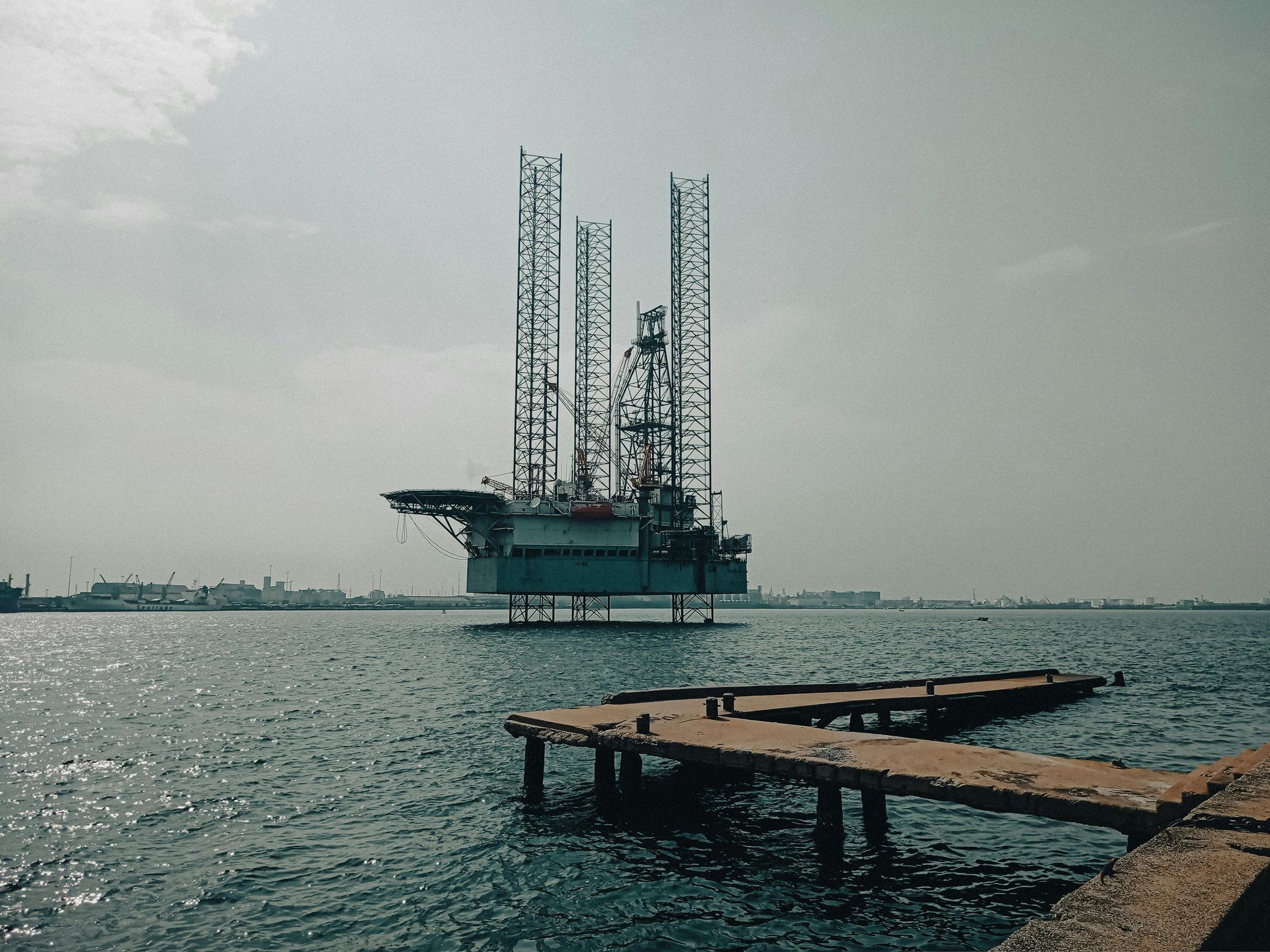
Working in the Gulf of Mexico offshore oil and gas industry is one of the most physically demanding and legally complex occupations in America. When workers are injured on offshore platforms, drilling rigs, or support vessels, the legal framework that applies depends on a number of factors — including the type of structure, the nature of the work, and the worker's job duties. At Anderson Alexander PLLC, we help injured offshore workers in South Texas navigate these complex claims.
Jones Act Coverage: Who Qualifies as a Seaman?
The Jones Act provides powerful protections for seamen — workers who spend a substantial portion of their time (generally 30% or more) on a vessel in navigation. Under the Jones Act, qualified seamen can sue their employer directly for negligence and recover damages including medical expenses, lost wages, pain and suffering, and future earning capacity. This is far broader than what is available under standard workers' compensation.
For offshore workers, the key question is whether the structure you work on qualifies as a "vessel." Drilling ships, floating production platforms, and certain semi-submersibles often qualify. Fixed platforms permanently attached to the seabed typically do not — but the legal line is often contested. If you work on a boat, vessel, or moveable offshore structure in the Gulf of Mexico, you may have Jones Act rights. Our maritime law attorneys can evaluate your specific situation.
OCSLA Coverage: Fixed Platform Workers
Workers on fixed offshore platforms that are permanently attached to the seabed fall under the Outer Continental Shelf Lands Act (OCSLA). Rather than the Jones Act, OCSLA generally applies state workers' compensation law — most commonly Louisiana law for Gulf of Mexico platforms — and may also incorporate federal maritime law in some circumstances.
OCSLA coverage is more limited than Jones Act coverage in important ways. There is no right to sue for general negligence under OCSLA alone. However, workers may still have claims against third parties — contractors, equipment manufacturers, and other responsible parties — outside of the OCSLA framework.
General Maritime Law: Unseaworthiness Claims
Even when a worker qualifies as a Jones Act seaman, they also have the right to bring unseaworthiness claims under general maritime law. The vessel owner has a duty to provide a seaworthy vessel — one that is reasonably fit for its intended purpose with adequate equipment and a competent crew. Unseaworthiness is a strict liability claim, meaning you do not have to prove negligence — only that the vessel or its equipment was not reasonably fit.
Common unseaworthiness conditions include defective equipment, inadequate crew training, unsafe working conditions, and improperly maintained machinery. These claims can run alongside Jones Act negligence claims, giving injured seamen two powerful legal theories to pursue maximum compensation.
Maintenance and Cure: Available Regardless of Fault
One of the most important protections for injured seamen is the right to maintenance and cure. Maintenance is a daily living allowance paid by the employer while the seaman recovers from a work-related injury or illness. Cure is the employer's obligation to pay for all reasonable medical treatment until the seaman reaches maximum medical improvement.
Maintenance and cure are owed regardless of who was at fault — even if the seaman was partially responsible for the injury. Employers who wrongfully withhold maintenance and cure can face additional penalties.
Common Offshore Platform Injuries in the Gulf of Mexico
The Gulf of Mexico offshore environment is inherently dangerous. Common injuries include explosions and fires from blowouts and equipment failures, falls from platforms, cranes, and scaffolding, equipment and machinery malfunctions, chemical and toxic substance exposure, crane accidents and dropped objects, and musculoskeletal injuries from heavy lifting and repetitive work.
Offshore accidents often cause catastrophic injuries — spinal cord injuries, traumatic brain injuries, burns, amputations, and wrongful death. The severity of these injuries makes having experienced legal representation essential. Visit our oil field injury page to learn how similar industrial injury claims are handled.
Why You Need a Maritime-Specialized Attorney
Offshore injury law is not standard personal injury law. It involves federal statutes, maritime common law, admiralty jurisdiction, and the intersection of multiple legal frameworks. Insurance carriers and offshore operators have specialized legal teams that work these cases daily. To protect your rights and maximize your recovery, you need attorneys who understand this complex field.
The Jones Act has a 3-year statute of limitations for seamen's injury claims. OCSLA claims may have shorter deadlines depending on the applicable state law. Do not wait — evidence degrades, witnesses move on, and employers may begin building their defense the moment an accident occurs.
Free Consultation — Anderson Alexander PLLC
Anderson Alexander PLLC represents injured offshore workers throughout South Texas and the Gulf Coast. Attorneys Austin Anderson and Clif Alexander are Super Lawyers rated and have extensive experience handling maritime and offshore platform injury claims.
Contact us today for a free consultation:Anderson Alexander PLLC101 N Shoreline Blvd Suite 420, Corpus Christi TX 78401Phone: (361) 452-1279Contact us online — No fee unless we win.