
Understanding Gulf Coast Maritime Injury Law
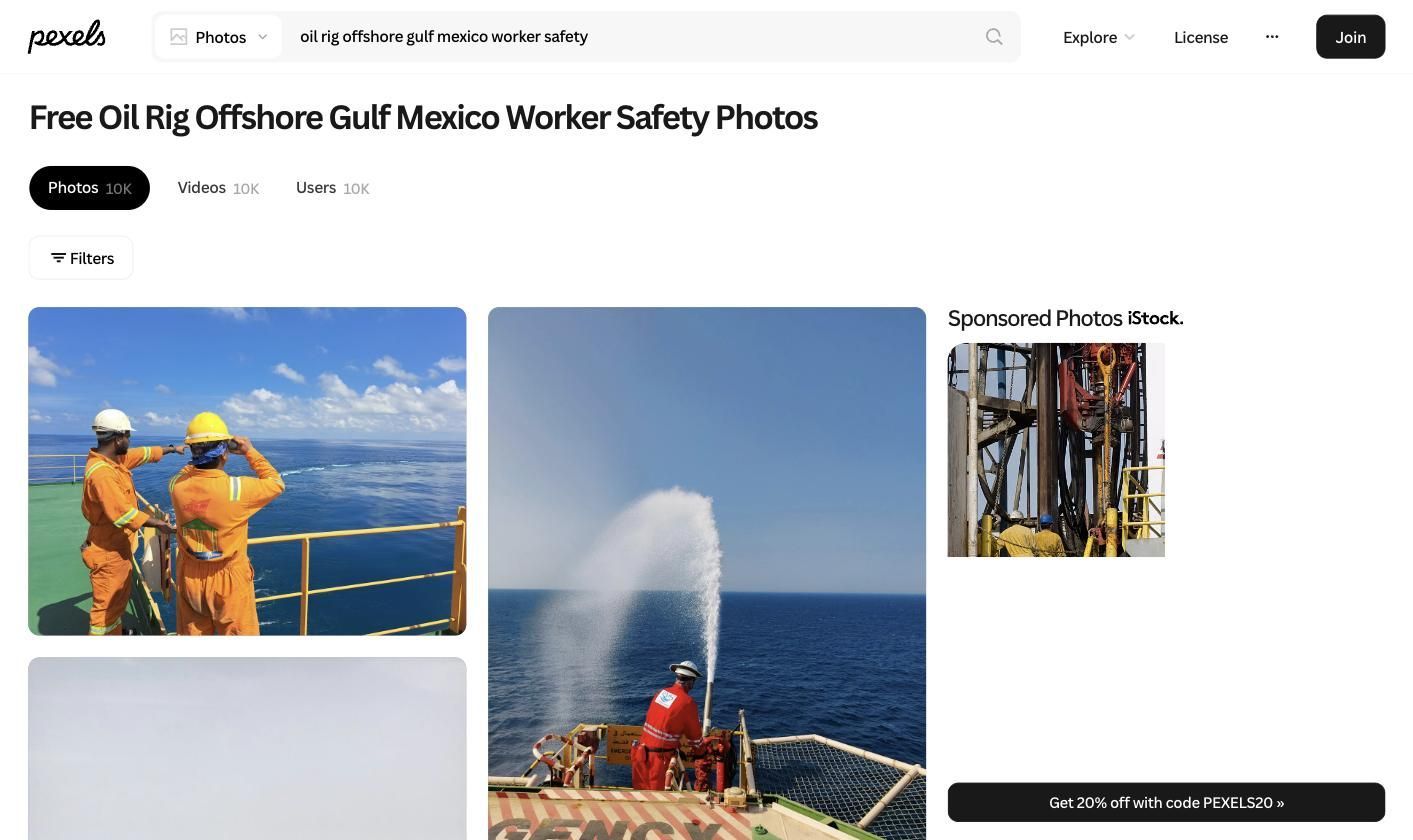
If you work on the water or offshore platforms in the Gulf of Mexico, you face risks that most workers never encounter. Explosions, equipment failures, falls overboard, toxic gas exposure — these are real dangers that have injured and killed workers along the Texas Gulf Coast for decades. When an offshore injury happens, the legal framework is nothing like a standard workplace injury claim. Anderson Alexander PLLC, known as A2X Law, is a Corpus Christi-based firm with deep experience handling Jones Act claims, LHWCA cases, and general maritime injury matters throughout South Texas.
Understanding Gulf Coast Maritime Injury Law
The federal laws that protect offshore and maritime workers are complex and significantly different from Texas workers' compensation. There are three main legal frameworks that may apply depending on your job and the circumstances of your injury.
The Jones Act (46 U.S.C. § 30104) applies to seamen — workers who spend a significant portion of their employment on a vessel in navigation. Under the Jones Act, an injured seaman can sue their employer for negligence. The standard is more favorable than general negligence law: the employer's negligence only needs to be a contributing cause of the injury, not the sole cause. Jones Act claims can recover medical expenses, lost wages, pain and suffering, and loss of future earning capacity.
The Longshore and Harbor Workers' Compensation Act (LHWCA) covers dockworkers, shipbuilders, harbor workers, and certain offshore workers who do not qualify as seamen under the Jones Act. The LHWCA is a federal workers' compensation system that provides medical benefits and wage replacement. Unlike Texas workers' compensation, the LHWCA often allows injured workers to pursue third-party negligence claims against vessel owners or equipment manufacturers in addition to receiving LHWCA benefits.
General maritime law fills in gaps not covered by the Jones Act or LHWCA. It includes claims for unseaworthiness — the vessel owner's absolute duty to provide a seaworthy vessel and reasonably safe equipment. Unseaworthiness claims do not require proof of negligence; the question is simply whether the vessel or its equipment was reasonably fit for its intended purpose.
Types of Offshore Injuries Common on the Gulf Coast
The Gulf of Mexico is one of the most active offshore energy regions in the world. The Texas Gulf Coast supports thousands of maritime workers. The most common serious injuries in this region include falls overboard and falls on deck, equipment failures from cranes and winches to drilling machinery, explosions and fires on offshore platforms that can cause severe burns and traumatic brain injuries, H2S and other toxic gas exposures, and overexertion injuries from constant heavy manual labor.
Falls are among the leading causes of offshore fatalities. Wet decks, missing guardrails, inadequate lighting, and rough weather all contribute to deadly fall accidents. Vessel owners have a duty to maintain safe walking surfaces and proper fall protection.
Equipment failures injure offshore workers when components malfunction or are improperly maintained. These cases may involve product liability claims against equipment manufacturers in addition to Jones Act or LHWCA claims.
H2S is highly toxic at low concentrations and can cause permanent neurological damage or death. Workers exposed to toxic gases may have claims under the Jones Act, LHWCA, or general maritime law depending on their role and work location.
Why You Need a Specialized Maritime Attorney
Maritime and offshore injury law is a specialized federal practice area. The deadlines, legal standards, and procedural rules differ substantially from Texas state court personal injury cases. For example, maintenance and cure — the vessel owner's obligation to pay a daily living allowance and medical expenses while an injured seaman recovers — must be demanded and pursued correctly or the injured worker may lose significant benefits.
Insurance carriers and offshore employers have experienced maritime defense lawyers working for them from day one. You need an attorney who knows these laws as well as they do. Anderson Alexander PLLC handles Jones Act claims, LHWCA matters, and maritime injury cases throughout South Texas and the Gulf Coast region. Both Austin Anderson and Clif Alexander are Super Lawyers rated — an independent recognition awarded to fewer than 5% of Texas attorneys — and the firm handles all cases on a contingency fee basis, meaning no fee unless you win.
If you were injured working on the Gulf, whether on a vessel, platform, dock, or marine facility, visit our Jones Act page and maritime injury page at a2xlaw.com to learn more about your rights. Call Anderson Alexander before you give any recorded statement to your employer or their insurance carrier.
Free Consultation — Call Anderson Alexander A2X Law
For a free consultation with a Gulf Coast offshore injury attorney, call (361) 452-1279. We serve injured workers throughout South Texas, the Rio Grande Valley, and the entire Gulf Coast region. Visit our contact page at a2xlaw.com to get started today.
Anderson Alexander PLLC
101 N Shoreline Blvd
Corpus Christi, TX 78401
(361) 452-1279
www.a2xlaw.com
Both attorneys Super Lawyers rated. No fee unless we win.