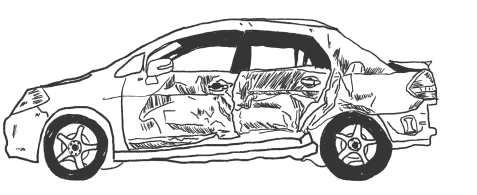
Drunk Driver Accident Lawyer in Sullivan City
Pursuing Justice and Full Compensation After a Drunk Driving Accident
When someone chooses to get behind the wheel after drinking, they aren’t just breaking the law, they are putting every single person on the road in immediate danger. Alcohol compromises everything a driver needs to stay safe: it dulls judgment, slows down reflexes, and makes it nearly impossible to react to unexpected hazards. When an impaired driver causes a crash, the physical, emotional, and financial toll on the victims and their families can be life-shattering.
Drunk driving is, by its very nature, a preventable tragedy. Every driver has a fundamental responsibility to ensure they are sober and capable before turning the ignition. Ignoring that responsibility is reckless, and when that choice harms others, the driver must be held accountable.
In Sullivan City, our roads are the veins of our community, connecting us to our homes, our jobs, and our loved ones. When a driver decides to drink and drive, they turn a routine commute into a site of devastation. Victims are often left to cope with traumatic brain injuries, spinal cord damage, broken bones, or the heartbreak of losing someone they hold dear.
At Anderson Alexander (A2X), we don’t treat these cases lightly. We stand by our clients. Our team works tirelessly to investigate the crash, secure vital evidence of intoxication, and identify everyone who shares in the responsibility for the harm caused. We are a trial-focused firm, and we are ready to fight for the justice you and your family deserve. If a drunk driver in Sullivan City has injured you or someone you love, please get in touch with our team today for a free case review.
Drunk Driving Is Negligence That Leaves Lasting Scars
Safe driving requires constant focus and the ability to process split-second changes. Alcohol strips that ability away. Even if a driver feels “fine,” their coordination and decision-making often fail long before they realize it. An intoxicated driver might miss a stop sign, drift uncontrollably into oncoming traffic, or completely misjudge the distance between cars. These aren’t just “accidents”; they result directly from a conscious choice to act negligently. When that choice leads to a collision, the law considers it negligence, and in many cases, gross negligence. Whether the driver drank at a local bar, a private party, or all evening, the responsibility lies solely with them. As a victim, you should never have to carry the burden of someone else’s poor choices.
Serious and Catastrophic Injuries Caused by Drunk Driving Accidents
Some of the most serious injuries associated with drunk driving accidents include:
- Traumatic brain injuries: A violent impact can cause concussions, brain bleeding, swelling, memory loss, cognitive impairment, and permanent neurological damage. Severe brain injuries may affect a person’s ability to communicate, work, make decisions, or live independently.
- Spinal cord injuries and paralysis: Damage to the spinal cord can result in partial or complete paralysis, chronic pain, loss of mobility, and permanent changes to a person’s daily life. Some victims require ongoing medical care, mobility equipment, and assistance with everyday activities.
- Multiple fractures and crush injuries: High-impact collisions can cause broken bones in the legs, arms, ribs, pelvis, and other parts of the body. Complex fractures may require multiple surgeries, metal implants, and extensive physical therapy.
- Internal injuries and organ damage: Collision force can damage the lungs, liver, kidneys, spleen, and other internal organs. Internal bleeding can become life-threatening without immediate treatment.
- Severe burns and disfigurement: When a drunk driving accident causes a vehicle fire or fuel-related explosion, occupants may suffer serious burns, permanent scarring, and injuries requiring skin grafts or reconstructive surgery.
- Amputations and permanent limb damage: Some collisions cause such extensive damage to an arm or leg that amputation becomes necessary. Other victims experience lasting nerve damage, reduced strength, or limited use of an affected limb.
- Neck, back, and nerve injuries: Herniated discs, spinal fractures, and nerve damage can cause chronic pain, weakness, numbness, and limitations that interfere with work and daily activities.
- Fatal injuries: Some collisions are so severe that victims do not survive. Families may be left dealing with the sudden loss of a loved one and the financial and emotional consequences that follow.
For some victims, the consequences extend far beyond the initial hospitalization. A person who survives a catastrophic accident may need additional surgeries, long-term rehabilitation, prescription medication, in-home assistance, or modifications to their home. They may also be unable to return to their previous occupation or maintain the same level of independence. At A2X, we understand that a serious injury claim must account for more than the expenses incurred immediately after the accident. We evaluate the full extent of our clients’ injuries, including future medical needs, lost earning capacity, permanent impairment, and how their lives may continue to be affected. When a drunk driver’s negligence causes catastrophic harm, we do everything we can to pursue compensation that reflects the true impact of that decision.
Navigating Texas Drunk Driving Laws
Texas law is clear: operating a vehicle while intoxicated is a serious offense. Under the Texas Penal Code, a driver is considered intoxicated if they have lost the normal use of their physical or mental faculties, or if their blood alcohol concentration (BAC) is 0.08% or higher. It is important to know that a driver doesn’t need to hit that 0.08 threshold to be legally considered intoxicated; if their faculties are clearly impaired, they are breaking the law.
The Difference Between Criminal Charges and Personal Injury Claims
While the state may pursue criminal charges against a drunk driver, that process is separate from your own civil claim. A criminal conviction can be powerful evidence, but you don’t need to wait for a criminal verdict to seek justice for yourself. We focus on the civil side of the law, building a strong case to secure the compensation you need to recover.
Building a Strong Case for Compensation
To win, we need to prove the driver’s impairment and its link to your injuries.
We act quickly to collect critical evidence, including:
- Police and official crash reports.
- Breath and blood alcohol test results.
- Surveillance footage from bars, restaurants, or traffic cameras.
- Witness testimony and field sobriety records.
- Comprehensive medical records detailing your path to recovery.
Getting You the Compensation You Deserve
Your recovery shouldn’t be defined by financial stress.
We fight for compensation that covers both your immediate and long-term needs, including:
- Medical Costs: From ambulance rides and emergency surgery to ongoing physical therapy.
- Lost Income: Both for the time you’ve already missed and any impact on your future ability to earn a living.
- Pain and Suffering: Addressing the physical pain and the emotional toll the accident has taken on your life.
- Exemplary Damages: In cases of extreme gross negligence, we may pursue punitive damages meant to punish the driver’s reckless conduct.
Support for Families Facing a Wrongful Death
Losing a loved one to a drunk driver is a grief no one should have to bear. While no legal action can replace a person, a wrongful death claim can provide essential financial stability for the family left behind. We represent surviving spouses, children, and parents with the sensitivity and strength needed to pursue these difficult cases.
Taking the Next Step with Anderson Alexander
You have a limited window to file a claim in Texas, and evidence can vanish quickly. The sooner we start our investigation, the better we can protect your rights. You don’t have to navigate this alone. Contact Anderson Alexander today for a free consultation. Let us focus on the legal fight so you can focus on healing and being with your family.