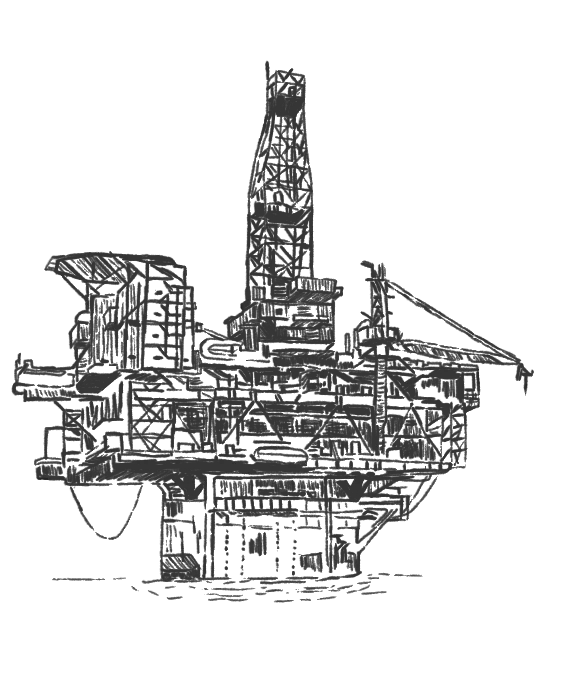
Oilfield Accident Lawyer in Pecos
Why Are Oilfield Jobs So Dangerous in West Texas?
Oilfield work involves a combination of physical demands, specialized equipment, and potentially hazardous conditions. Workers may spend long hours at drilling sites, well pads, processing facilities, and other industrial locations. Depending on their responsibilities, they may operate heavy equipment, handle chemicals, work at elevated heights, or perform tasks around high-pressure systems.
In the Pecos area, oil and gas operations are an important part of the surrounding industrial landscape. Employees and contractors may work alongside multiple companies at a single site, each with different responsibilities involving equipment, supervision, maintenance, and safety procedures. This arrangement can make workplace accidents particularly complicated. An injury may involve the actions of an individual worker, but it could also result from inadequate training, defective machinery, unsafe site conditions, or failures by a company responsible for maintaining a safe working environment.
Some of the most common hazards facing oilfield workers include:
- Heavy machinery and moving equipment.
- High-pressure pipes, hoses, and drilling systems.
- Explosions, fires, and combustible materials.
- Chemical exposure and hazardous substances.
- Falls from elevated platforms, ladders, and structures.
- Falling tools, equipment, and unsecured materials.
- Vehicle and transportation accidents at industrial sites.
- Electrical hazards and equipment malfunctions.
- Confined spaces and inadequate ventilation.
- Fatigue associated with demanding schedules and extended shifts.
These hazards make appropriate safety procedures, equipment inspections, employee training, and workplace oversight especially important.
Common Types of Oilfield Accidents
Oilfield accidents can happen in numerous ways, and the type of incident often influences the legal questions involved. Understanding how an injury occurred is an important part of evaluating whether negligence or another legally actionable failure contributed to the accident.
- Drilling Rig Accidents: Drilling operations involve powerful machinery, rotating equipment, elevated work areas, and heavy components. Equipment malfunctions, inadequate training, and unsafe procedures can expose workers to crushing injuries, amputations, and other serious harm.
- Oilfield Explosions and Fires: Flammable gases, combustible materials, and high-pressure systems can create dangerous conditions. Fires and explosions may result in severe burns, respiratory injuries, permanent disfigurement, or fatalities.
- Equipment and Machinery Accidents: Workers regularly interact with pumps, compressors, generators, forklifts, and other industrial machinery. Inadequate maintenance, defective components, or insufficient safeguards can contribute to serious injuries.
- Transportation Accidents: Oilfield operations often require workers to travel between job sites or transport equipment and materials. Collisions involving company trucks, tankers, service vehicles, and other commercial vehicles can lead to significant injuries.
- Falls From Heights: Workers may need to access elevated platforms, ladders, rigs, and other structures. Missing guardrails, unsafe access points, and inadequate fall protection can contribute to serious falls.
- Chemical Exposure: Certain oilfield tasks involve chemicals and other potentially hazardous substances. Improper handling, inadequate protective equipment, or insufficient warnings may result in burns, respiratory problems, and other health consequences.
- Falling Objects: Tools, pipes, equipment, and other materials can become dangerous when improperly secured or handled. Workers struck by falling objects may suffer head injuries, fractures, and other significant trauma.
Every oilfield accident has its own circumstances. A careful investigation can help determine what happened, whether safety requirements were followed, and which parties may have contributed to the injury.
Who Can Be Held Responsible for an Oilfield Accident?
One of the most important questions following an oilfield injury is who may be legally responsible. Unlike many traditional workplaces, oilfield operations frequently involve several companies working at the same location. A drilling contractor, equipment supplier, maintenance company, site operator, and other service providers may all have responsibilities connected to a particular operation. When an accident occurs, determining which parties controlled the relevant activity or contributed to the unsafe condition can become complicated.
Depending on the circumstances, potentially responsible parties may include:
- Oilfield Operators: An operator may have responsibilities related to site conditions, contractor coordination, or certain safety practices. Whether the operator can be held liable depends on its conduct, contractual responsibilities, and applicable law.
- Drilling and Service Contractors: Contractors may be responsible for their employees, equipment, work procedures, and activities performed at the job site.
- Equipment Manufacturers: If defective machinery, tools, or components contribute to an accident, a product liability claim may be appropriate.
- Maintenance Companies: Companies responsible for inspecting, repairing, or servicing equipment may potentially be liable when negligent work contributes to an injury.
- Transportation Companies: A company operating vehicles or transporting equipment may face liability when negligent driving, improper loading, or vehicle maintenance failures cause an accident.
- Other Negligent Parties: Depending on the facts, subcontractors, property owners, or other businesses may also have contributed to the dangerous conditions.
Determining responsibility requires looking closely at the facts, contractual relationships, applicable safety standards, and conduct of the parties involved.
Can You Sue Your Employer After an Oilfield Accident in Texas?
This is one of the most important questions injured oilfield workers ask, and the answer depends on the employer’s workers’ compensation status and the circumstances of the accident. Texas has a unique workers’ compensation system because private employers generally are not required to carry traditional workers’ compensation insurance. Employers that do not subscribe to the system are commonly referred to as non-subscribers.
If an oilfield worker is employed by a non-subscribing company, the worker may be able to pursue a personal injury lawsuit against the employer when the employer’s negligence causes an injury. Texas law provides specific rules governing these claims, including limitations on certain defenses that subscribing employers may otherwise raise. If the employer carries workers’ compensation insurance, the general rule is that an employee’s exclusive remedy against a subscribing employer for a covered workplace injury is workers’ compensation benefits, subject to applicable exceptions.
However, this does not necessarily prevent an injured worker from pursuing a claim against a negligent third party. For example, if a contractor, equipment manufacturer, or another company contributed to an accident, that party may potentially face an independent legal claim. Oilfield injury cases can therefore involve multiple overlapping legal issues. Understanding whether an employer is a subscriber, which companies were involved, and who controlled the worksite can be essential when evaluating available legal options.
What Should You Do After an Oilfield Injury?
An oilfield accident can happen quickly, and injured workers may feel pressure to return to work, provide statements, or cooperate with company representatives before they fully understand their injuries. Although every situation is different, taking certain steps after an accident may help protect your health and preserve important information.
1. Get medical attention immediately. Do not ignore pain or other symptoms. Some injuries, particularly those involving the head, spine, or internal organs, may not be immediately apparent.
2. Report the accident. Follow applicable workplace reporting procedures and provide accurate information about the incident.
3. Document what happened. If possible, photograph the accident location, equipment, visible injuries, and any hazardous conditions.
4. Identify witnesses. Obtain the names and contact information of individuals who saw the accident or were aware of the conditions leading up to it.
5. Preserve relevant records. Keep medical records, employment documents, safety communications, incident reports, and other accident-related information.
6. Avoid making assumptions about fault. Do not speculate about the cause of the accident before the circumstances have been properly evaluated.
7. Understand company and insurance communications. Be careful when providing recorded statements or signing documents that may affect your legal rights.
It is also important to remember that reporting an accident internally does not necessarily resolve every legal issue. An injury may involve a third-party claim, a non-subscriber employer claim, or another potential avenue for recovery.