Drunk Driver Accident Lawyer in Port O'Connor
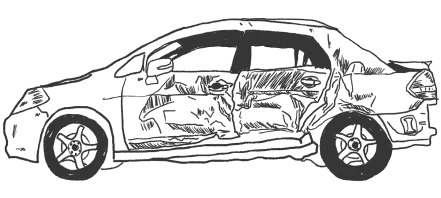
A decision to drive under the influence of alcohol can have devastating consequences for everyone sharing the road. When an impaired driver gets behind the wheel, their reduced reaction time, impaired judgment, and diminished coordination can put other motorists, passengers, cyclists, and pedestrians at serious risk. For individuals and families in Port O’Connor, Texas, a collision caused by a drunk driver can lead to painful injuries, mounting expenses, and a future that looks very different from what they expected.
If you were injured because someone chose to drive while intoxicated, you may be dealing with far more than the immediate aftermath of the crash. Medical treatment, lost income, vehicle damage, and uncertainty about your legal rights can make an already difficult experience even more stressful. Our experienced trial lawyers help injured people evaluate their legal options when another party’s negligence causes harm.
What Makes a Drunk Driving Accident Claim Different?
A drunk driving accident may involve both a criminal investigation and a separate civil personal injury claim. Although the two processes may concern the same collision, they serve different purposes.
A criminal case generally addresses whether the driver violated criminal law and what penalties may apply. A civil personal injury claim focuses on whether the driver or another legally responsible party should compensate the injured person for the losses caused by the crash.
A criminal conviction is not necessarily required to pursue a civil claim. Civil liability is evaluated under the applicable legal standards and based on the evidence presented. Similarly, an arrest or allegation of intoxication does not automatically establish every element of a personal injury case.
Depending on the circumstances, evidence may include the police accident report, witness statements, available video footage, field sobriety test results, chemical test results, vehicle damage, and medical records. Investigators may also consider whether another factor contributed to the collision.
Understanding how the evidence fits together is important when evaluating a potential claim. The goal is to establish what happened, determine who may be responsible, and assess the losses caused by the accident.
Who May Be Held Responsible for an Alcohol-Related Crash?
In many drunk driving accident cases, the impaired driver is the primary party whose conduct must be examined. However, depending on the circumstances, other parties may also warrant investigation.
Texas has a dram shop law that may allow an injured person to pursue a claim against an alcohol provider in certain circumstances. For example, a provider may potentially face liability when it serves alcohol to an obviously intoxicated adult and that intoxication is a proximate cause of the resulting damages. Specific legal requirements and defenses may apply, and liability is not automatic simply because alcohol was served before a crash.
Other potential issues may arise when a collision involves a commercial vehicle, an employer, or another party whose independent negligence contributed to the accident. Each possible claim depends on the facts and applicable law.
Identifying all potentially responsible parties can be important because the driver may not be the only source of insurance coverage or legal responsibility. However, any additional claim must be supported by evidence and the relevant legal requirements.
Steps to Take After Being Hit by a Drunk Driver
A collision involving a suspected impaired driver can be frightening and confusing. Your immediate safety and medical needs should come first. If you suspect the other driver is intoxicated, avoid confronting them and let law enforcement handle the situation.
Once it is safe to do so, consider these steps:
- Seek medical attention. Get evaluated promptly, even if you do not immediately notice serious symptoms. Some injuries can take time to become apparent.
- Report the collision. Contact the appropriate authorities and provide factual information about what you observed.
- Preserve available evidence. If safe, photograph the vehicles, damage, roadway, and visible injuries.
- Identify witnesses. Keep contact information for anyone who saw the crash or the other driver’s behavior.
- Save relevant records. Keep medical bills, treatment records, repair estimates, and insurance correspondence.
- Avoid premature settlement decisions. Before accepting an offer, consider whether it accounts for your injuries, future medical needs, and other losses.
Do not put yourself at risk to collect evidence. Police and other investigators may gather important information, and a personal injury investigation can examine additional evidence when appropriate.
Because electronic records and video footage may become unavailable over time, considering your legal options promptly can be helpful.
What Compensation Can You Pursue After a Drunk Driving Accident?
A serious collision can create financial losses that continue long after the initial emergency. Depending on the facts and applicable Texas law, an injured person may be able to seek compensation for medical expenses, lost wages, reduced future earning capacity, physical pain, mental anguish, physical impairment, and disfigurement.
The damages in an individual case depend on the severity of the injuries and the evidence supporting the claimed losses. Someone who requires ongoing rehabilitation or cannot return to their previous occupation may face different long-term costs than someone who recovers more quickly.
Texas generally follows a modified comparative responsibility system in negligence cases. An injured person’s recovery may be reduced according to their percentage of responsibility, and recovery is generally barred if their responsibility exceeds 50%.
In certain drunk driving cases, exemplary damages may also be available if the applicable legal requirements are met. These damages are different from compensation for ordinary losses and are not awarded automatically just because the at-fault driver was intoxicated.
Many Texas personal injury lawsuits are subject to a two-year statute of limitations, although exceptions may apply. Claims involving additional parties may raise separate legal and evidentiary issues, so understanding the requirements that apply to your circumstances is important.
When a Drunk Driving Accident Causes a Fatality?
Some alcohol-related crashes result in the loss of a loved one. For surviving families in Port O’Connor, the aftermath may involve profound grief, funeral expenses, lost financial support, and the loss of companionship and guidance.
Under Texas law, eligible surviving family members may be able to bring a wrongful death claim when a death results from another party’s legally actionable conduct. A separate survival action may also be available in appropriate circumstances to pursue certain claims belonging to the deceased person’s estate.
These claims involve specific eligibility requirements, deadlines, and rules governing recoverable damages. No legal action can undo the loss, but understanding the available options may help families consider how to protect their interests during an extremely difficult time.
Contact A2X Today
Being injured by a drunk driver can leave you dealing with physical pain, financial pressure, and questions about how to move forward. If you or a loved one was harmed in an alcohol-related crash in Port O’Connor, Texas, you deserve an opportunity to understand your legal rights and explore the options available under Texas law.
At Anderson Alexander, we represent individuals facing serious injuries and recognize that the consequences of an impaired driving accident can extend well beyond the crash itself. We can discuss your circumstances, explain the legal issues that may matter, and help you understand the process for exploring potential representation.